January 28
By now we have been in Mexico for over 4 weeks and had a stop over in Guatemala City BUT we can’t leave our last days in Belize untold! They were some of the most spectacular.
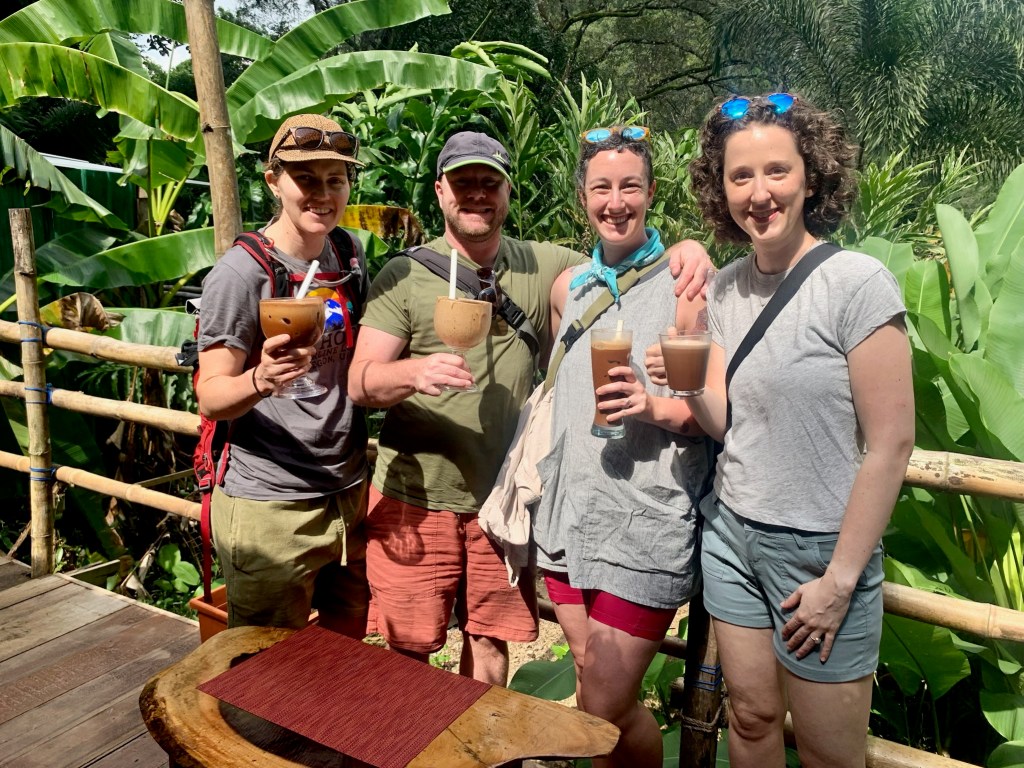
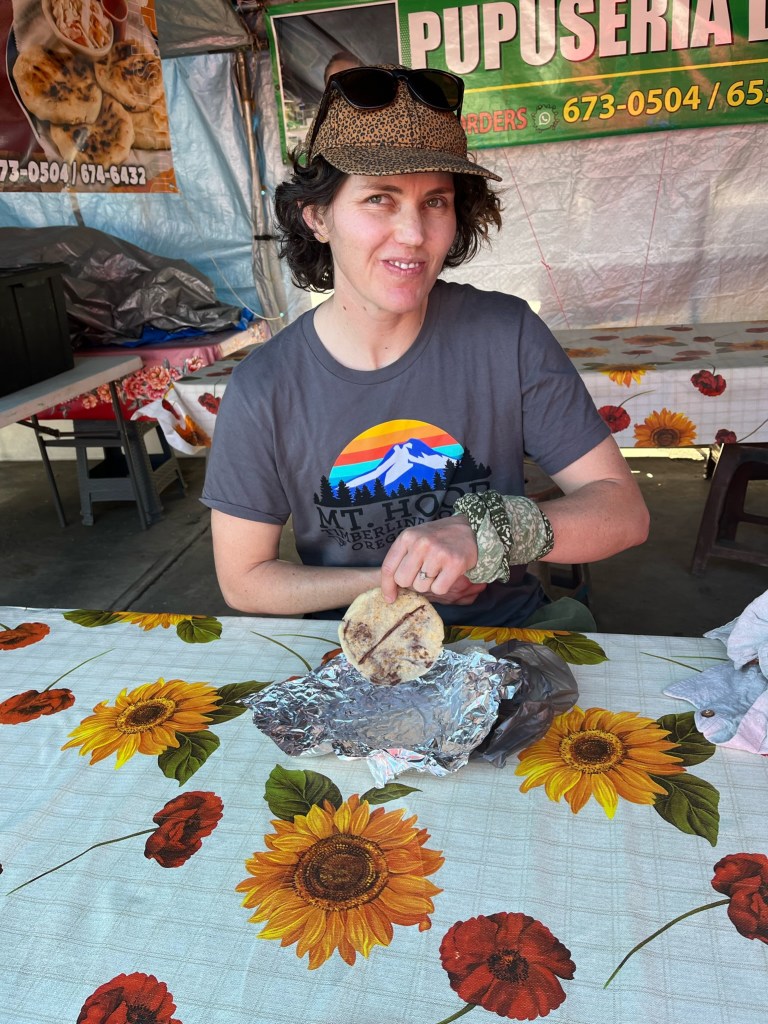
We loaded up our now-trusted Ford SUV and drove from coastal Hopkins to jungled San Ignacio, a town that is about 15 miles from the border with Guatemala. Along the way we stopped at a chocolate and coffee jungle bar where a few of us got a little too buzzed on a combination of the two. We were able to sample many different forms and flavors of chocolate, including clitoris (umm, the flower) and we learned how it is made. We explored incredible tropical walking paths on the grounds while we sipped our caffeinated concoctions. We took our time on the drive and then explored the town of San Ignacio that evening, including the market. This part of Belize feels much different; the Hispanic and Indigenous influence is very present in the language, food, people, and wares. Zoe was the bravest Spanish speaker in the group and led the way in getting pupusas.
Early the next morning we headed to the meeting point for a guided hike into the Actun Tunichil Muknal (ATM) caves. Some playful locals told us that the real name for the caves was “Another Tourist Missing,” but also warned frankly that flash flooding can be a real risk in the caves. If the creek that runs through the cave rises too quickly due to runoff, it can make navigating out of the cave impossible. Tourists are not infrequently trapped inside until water levels recede to allow for safe passage.
Our guide, Basílico, was from the Maya village of Red Bank, where we saw the Scarlet Macaws (see last entry). He provided us with helmets and headlamps and made sure we all had appropriate footwear for creek walking and spelunking. We started up the trail after Basílico confirmed, “Can you all swim?” Waivers and releases of liability aren’t really a thing in Belize. A quarter mile into the walk on the way to the caves, Basílico stopped at a tree and pointed out scat of a small carnivore. “We both like this tree,” he said, smiling, and fished out some obsidian blades from a little cavity within the trunk. Millennia ago, the people who lived here used the stones to make sharp blades for tools. He told us that blood letting by ancient Maya priests was a means of appeasing unhappy Gods. Basílico hit the tree’s truck a few times with a rock’s edge and pulled elastic strands from the apparent rubber tree. The material was used to make the 9 pound balls played in the ball courts of Maya cities.
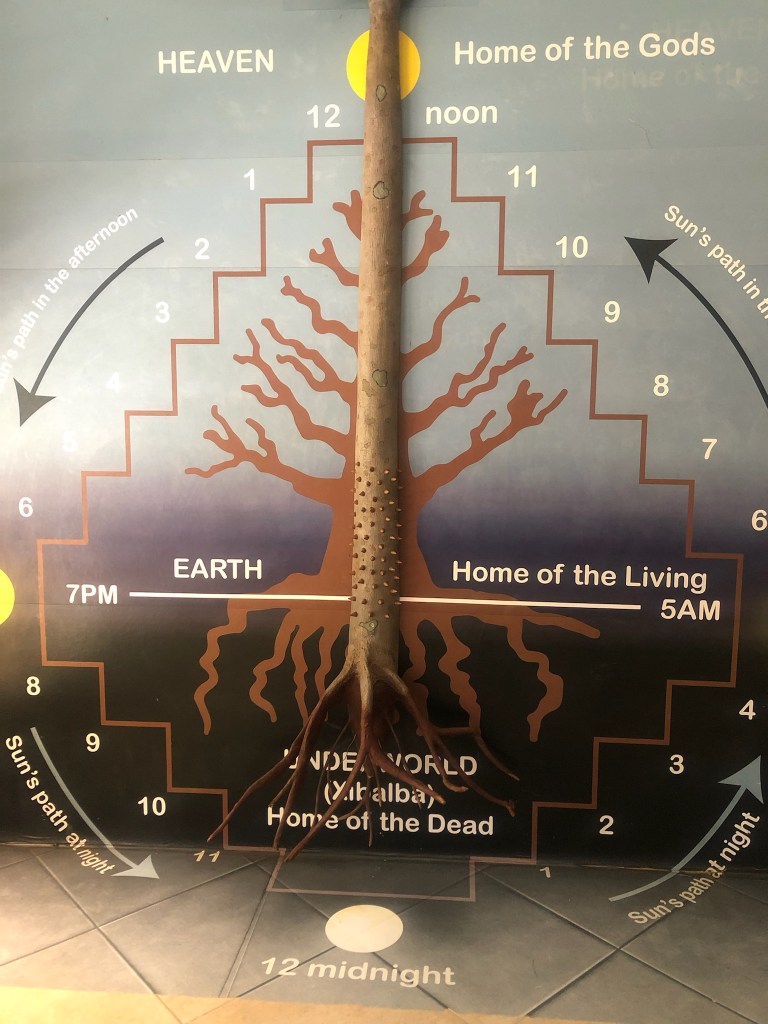
Only about 20 guides are certified to take people into the caves, given the knowledge needed to safely navigate the caves and expertise specific to their history and importance to Maya groups from between 300-900 CE. The cave provided a connection between earth and the underworld, the land of the dead, Xibalba.
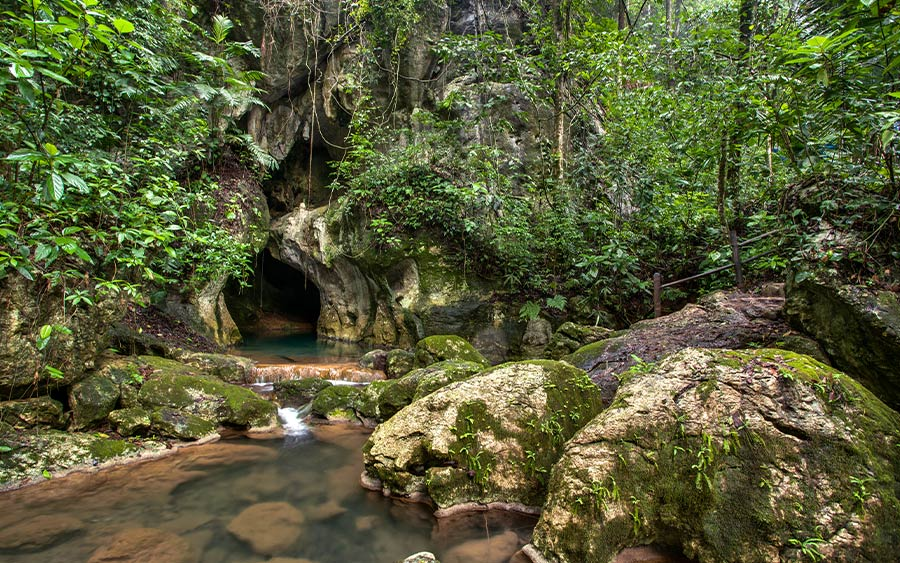
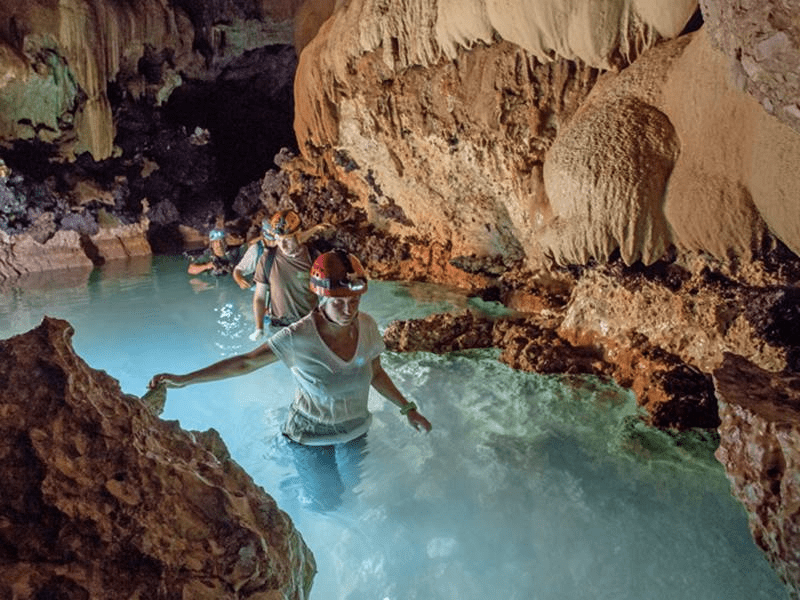
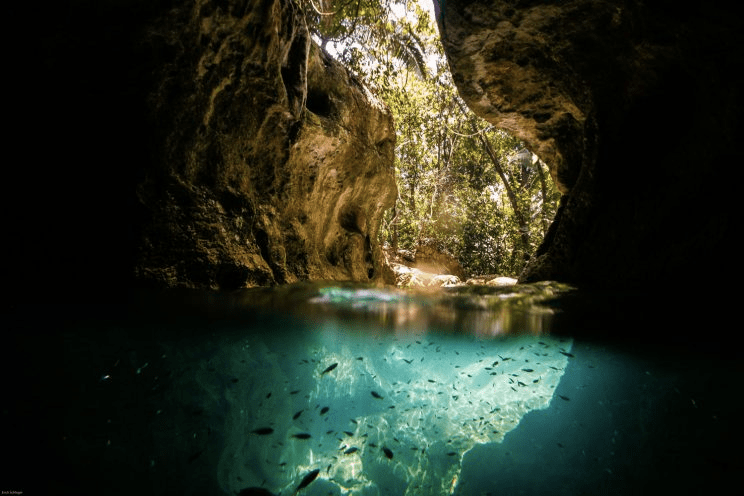
We braved three river crossings using ropes to guide us and arrived at the entrance to the caves. Entering the cave meant turning on our headlamps, walking down to a creek flowing out of a cave, and jumping into a pool of cool water. Then we swam into the darkness. “Don’t put your heads under! You will ruin the headlamps!” we were told. With the warning about flash floods fresh in our minds, we dipped in and out of creek pools inside the caves, marveling at the natural formations inside. We scrambled over rocks and through narrow passageways for about 400 meters, before climbing up a particularly large rock into a large, open cavern.
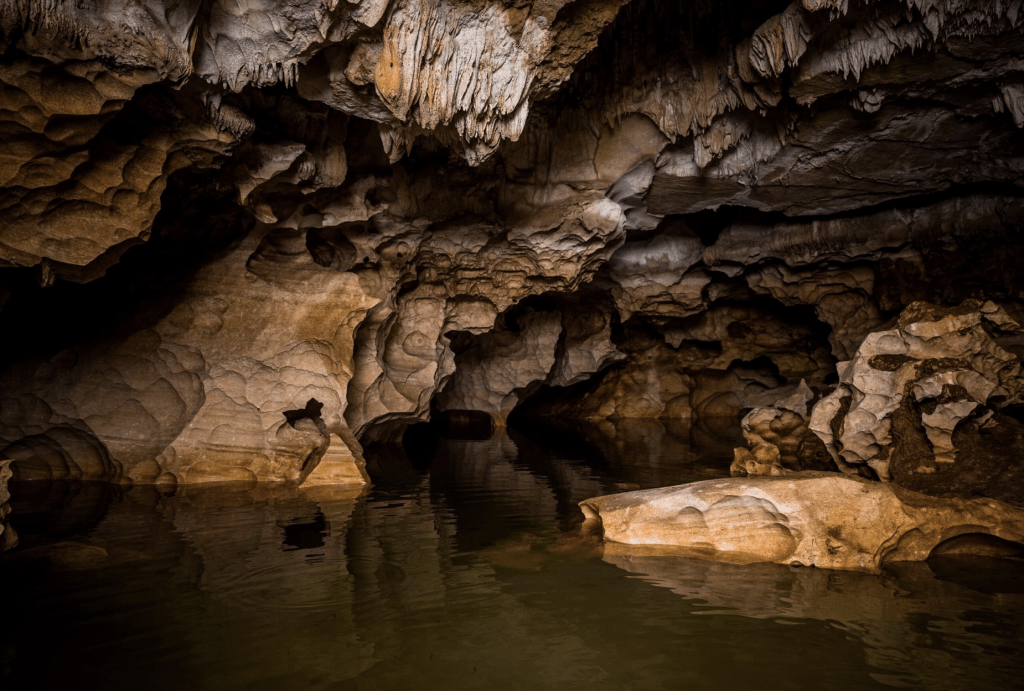
We were asked to take off our shoes and wear only socks or bare feet into the chamber. At first, we saw only pottery– many broken, some intact; these earthen ceramics were impressively thin considering the pots were made with coil techniques. As we entered further, we began to see skeletons and signs of the human remains of people who were sacrificed. Many were young, some were bound or had broken bones. Cameras and phone use is banned due to a number of incidents of tourists dropping them and destroying the fragile remains. Basilio pointed out one of skulls that was broken from such an incident and then he stole away around the corner and returned with 2 front teeth that were knocked out. Each front tooth had three uniform grooves sanded into it, a common cosmetic practice in the time.
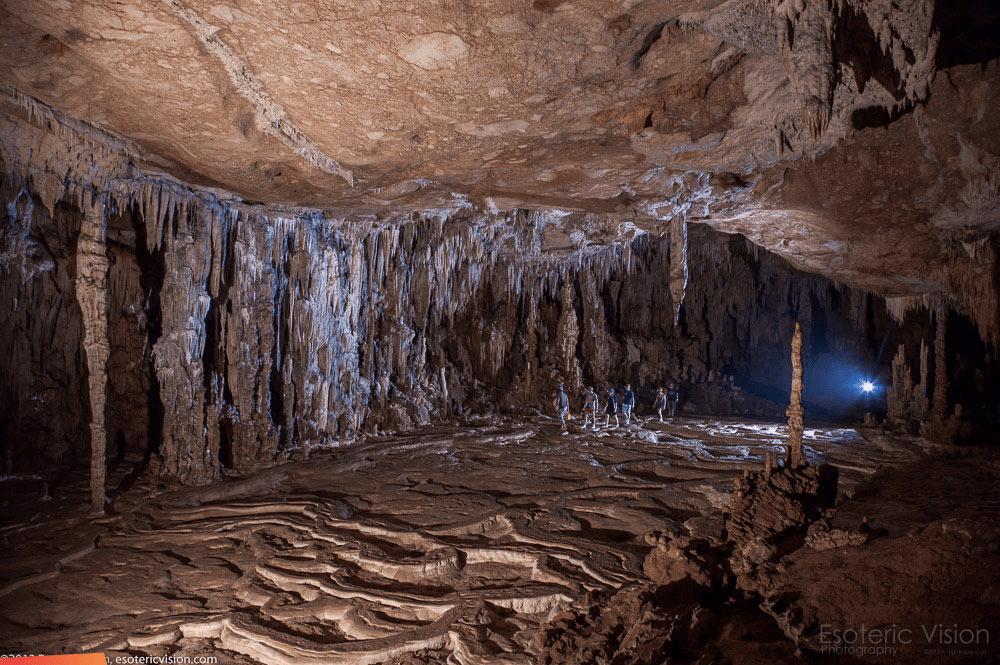
We went further and further into the chamber, passing groups who were on the way out. There were many more human and material sacrifices among the crystalline stalagmites and stalactites. We scaled a rickety aluminum ladder, slippery from so many damp and sandy tourists’ feet, and finally came to the most famous artifact in the cave: the Crystal Maiden. Resting at the farthest reach of the chamber, the skeleton sparkles because of the calcium in the dust that has settled atop the bones. Originally believed to be a woman, archeologists later discovered her to actually be a teen boy. The chamber became quiet as the proceeding groups descended back toward daylight. We all shared a moment to marvel before also turning back. Within a few minutes of beginning the return, one of our fellow tourists’ headlights went out. Bacilico urged us on, “We need to hurry and get out before we lose more batteries!” Down, back into the creek our group scurried after putting our shoes back on at the chamber opening. We did our best to tread swiftly over the gravel and navigate the hidden rocks looming in the water–waiting for us to crack our shins upon. One by one, headlamp after headlamp died. By the time we saw the light of day, we were down to only three lights among the nine of us and were thus traveling very closely to one another. The trip was spectacular, if slightly terrifying, and incredibly humbling to witness.
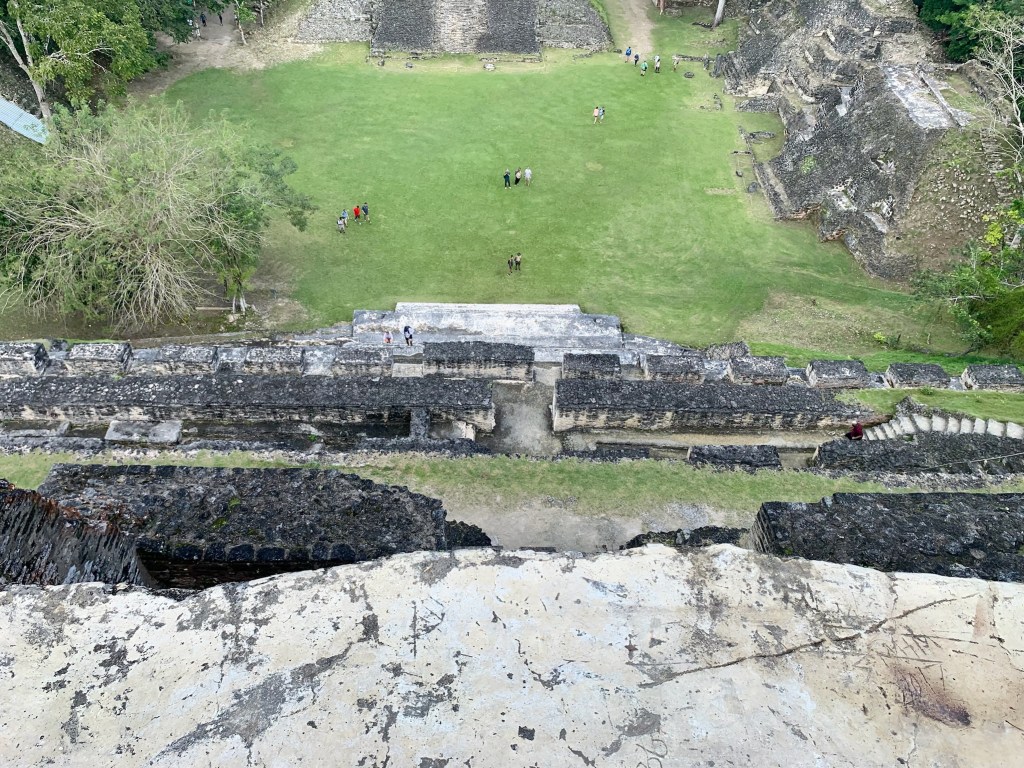
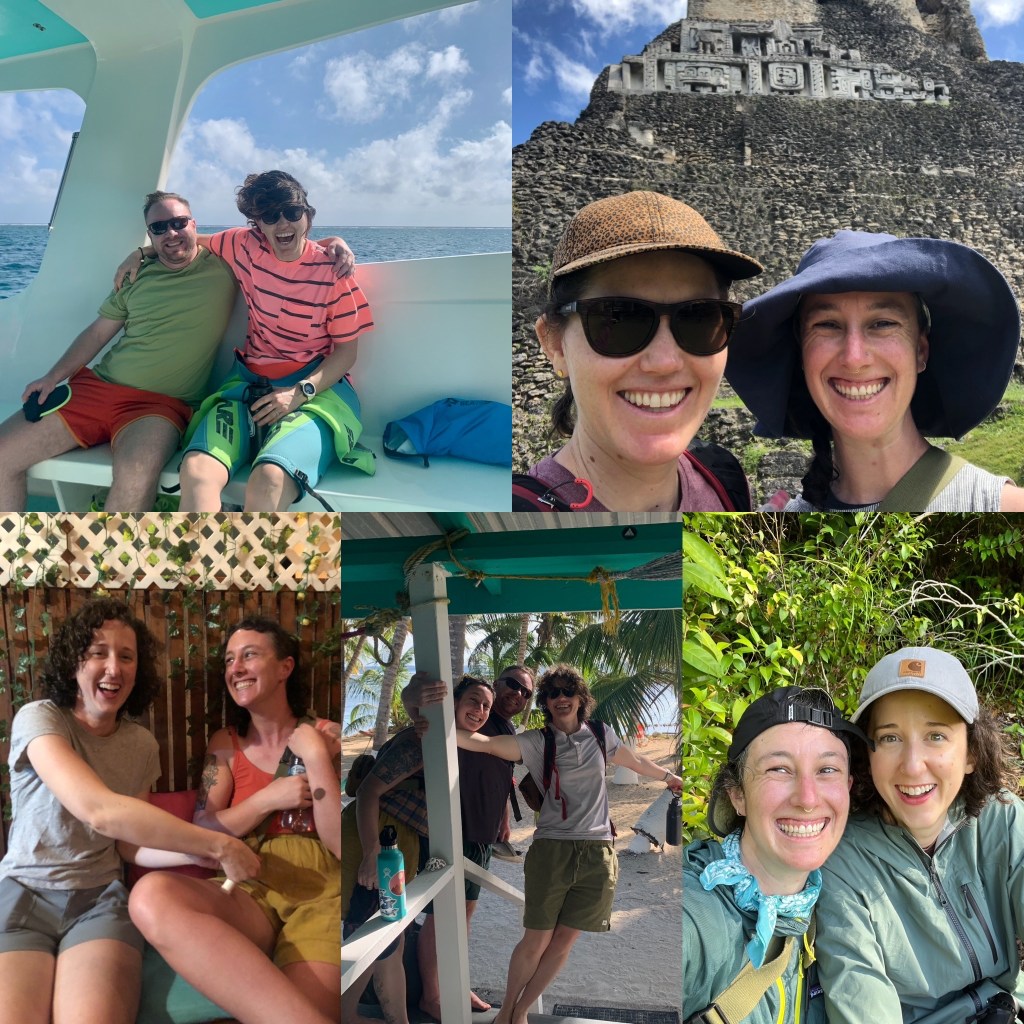
The next day we visited the Maya ruins of Xunantunich on the border with Guatemala. Guides wait in a shady shelter near a hand-cranked ferry. You hire them there, then they get in your car to cross the ferry and drive the mile up to the park. At the entrance, we met a very sweet spider monkey who comes by daily for a treat from the staff there. His big eyes and tiny face filled us with tender awe, and reminded us of another tiny-faced, big-eyed mammal we miss very much.
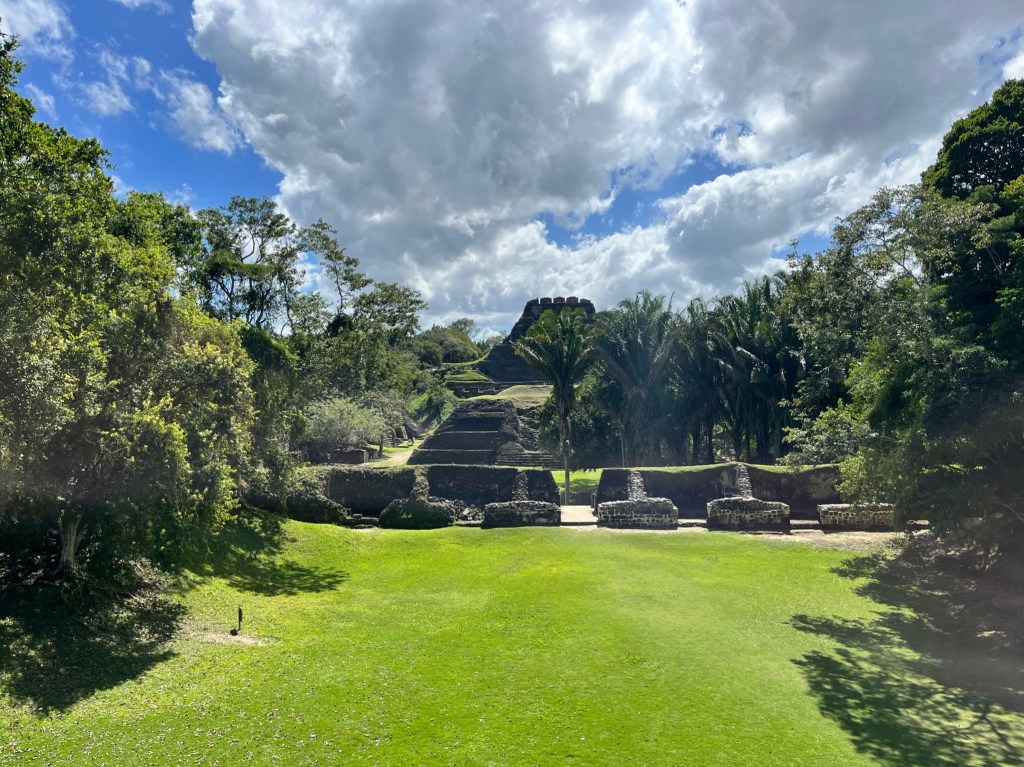
Our guide told us tales of the Maya people and brought the ruins to life. A lot of the information he shared pertained to the royalty who lived atop the mountainous palace. Common people would come to the area for market, but lived in the surrounding land. As we climbed the structures, the rolling hills surrounding came into view. At the height of its power, all the surrounding land was cleared and cultivated with corn and other crops. Today it is covered in jungle. It is believed drought associated with deforestation came to the area and may have caused the civilization to collapse, though the exact cause is still unknown.
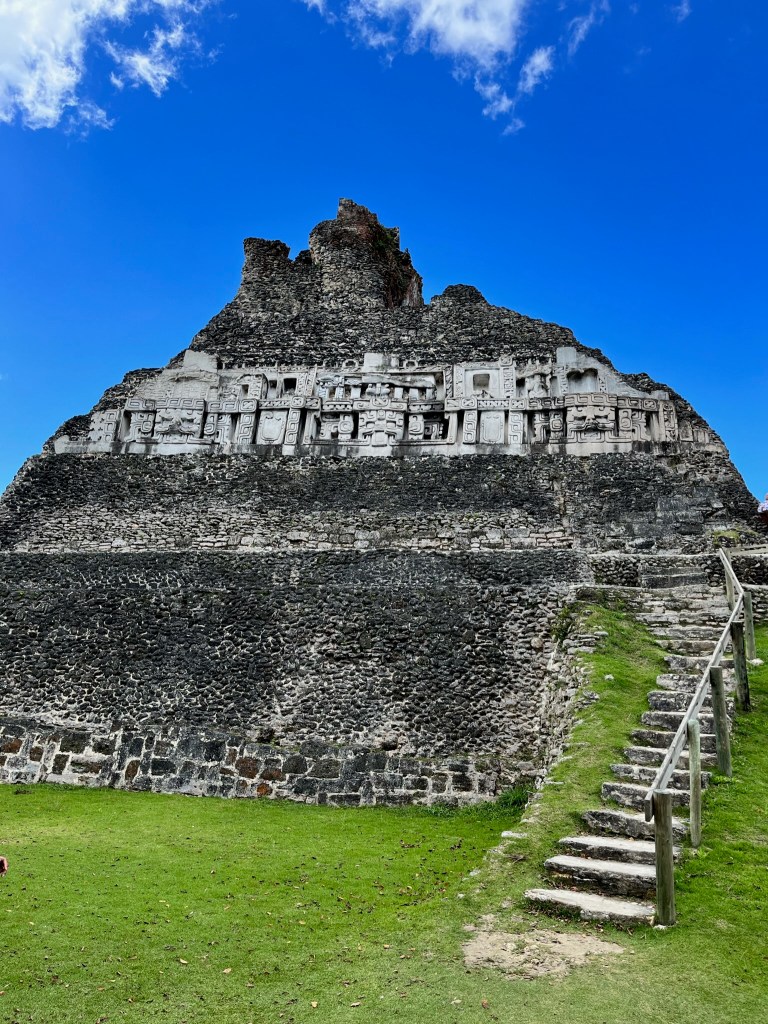
After a hot and steep climb, we rested atop the highest of the ruins. This structure housed the ruler and staff. It brought home the feudal nature of this time. As we looked out, Anicka spotted a toucan flying in the treetops below us. We all erupted with excitement as we watched it glide around the courtyard and then drop into a tree’s branches. We listened to the echoing sounds of a howler monkey in the distance and spotted large iguanas lounging among the tree branches. Animals provide so much more delight than the thought of dynasty and lords.
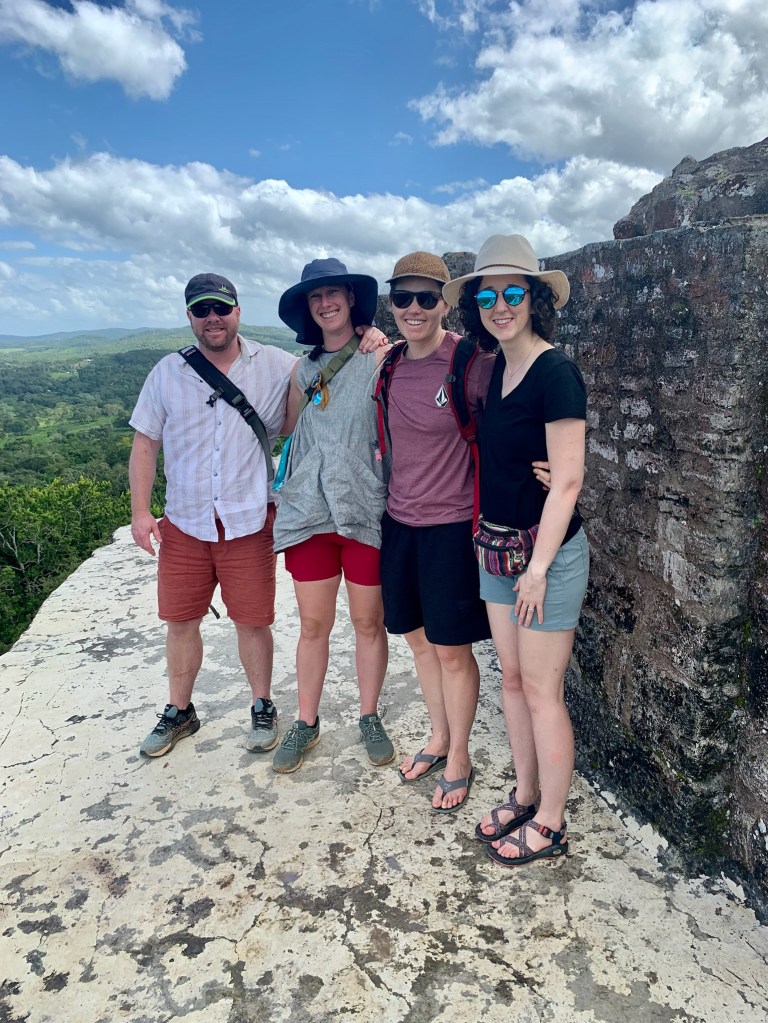
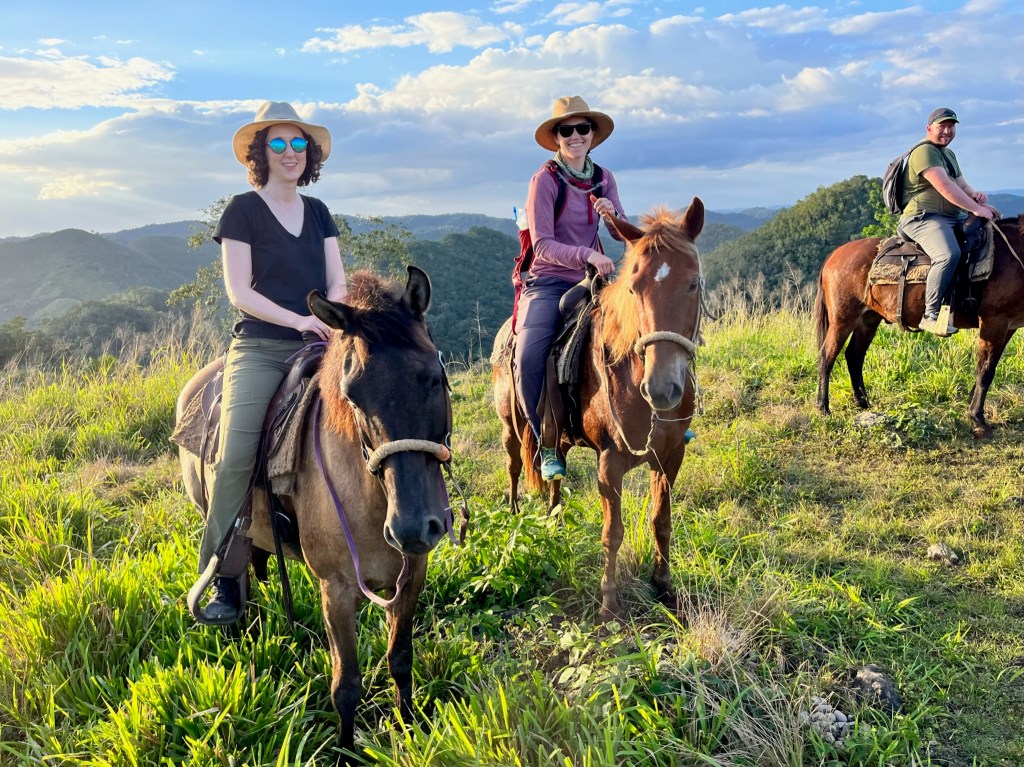
Our final and most adventurous activity came after we left the ruins and drove up a very rocky, very long jungle road. We cranked some country music to drown out the groans of our struts on the way to Martz Farm. When we reached our destination (according to google maps), all we saw was dense jungle, but after a few hundred feet more of driving, there was a driveway. After a few miles of driving in the dense forest, the road led into a beautiful meadow with a tranquil farmhouse by a river and a herd of free-roaming horses. Jose, the owner of the farm, introduced himself and we met our horses (or in Skip’s case, a mule) for a sunset ride.
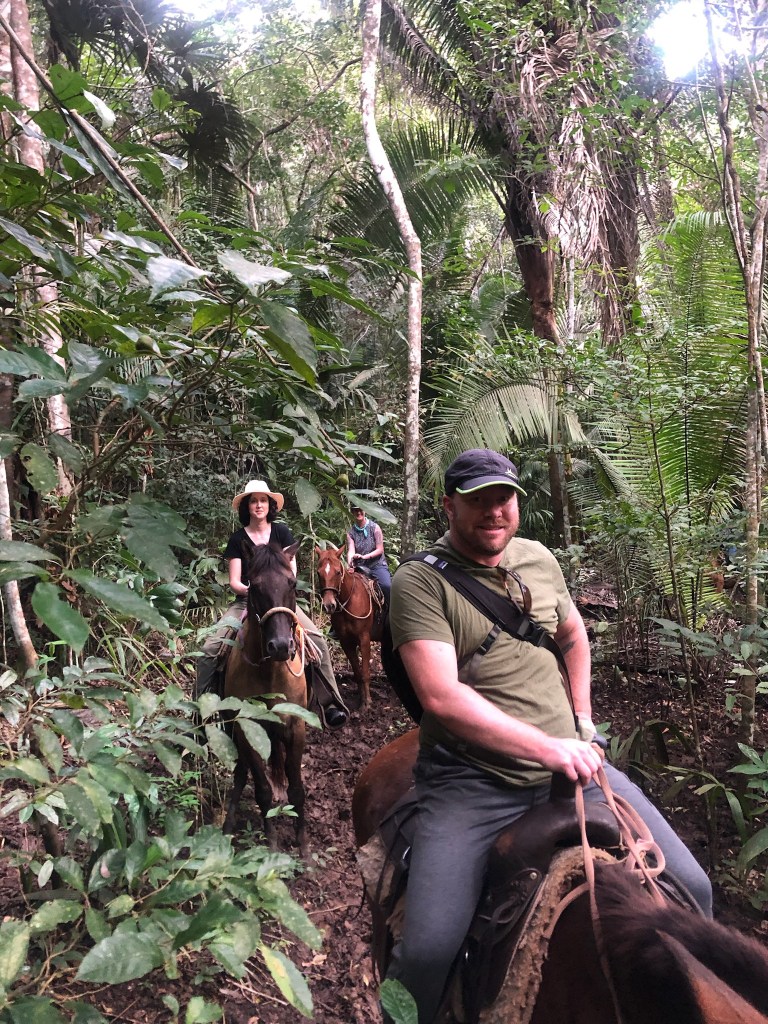
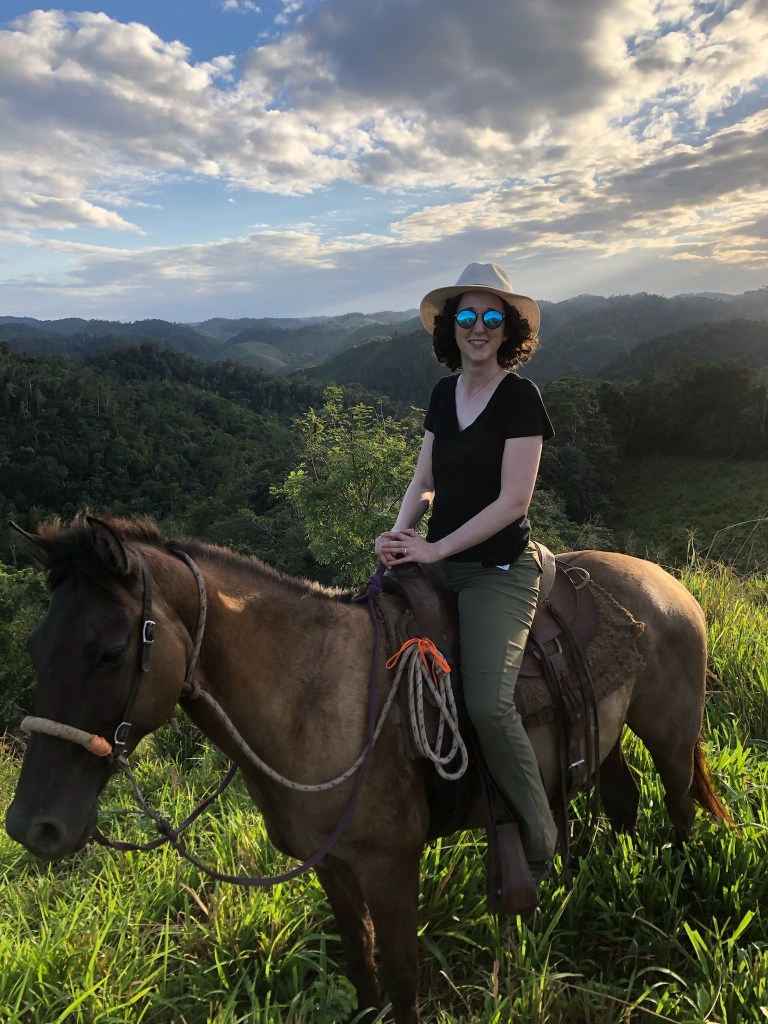
Jose took us up onto hillsides and down into valleys, pointing out plants and evidence of Maya homes. The horses were sure footed and expressed their personalities to our delight and terror (me). At one point Jose’s horse became upset that another horse had taken the lead, and he charged down the narrow path, knocking into the rest of us along the way. Later on the ride, another visitor’s horse ran into the dense jungle and she lost the reins as she tried to protect her face from thorny vines. Jose whipped around and raced toward her, pulling his machete out of his saddlebag as he went to clear away the undergrowth. For someone who has barely been on a horse in my life, the last time when I was maybe 10, it was a lesson in staying calm and trusting another being to literally carry me through.
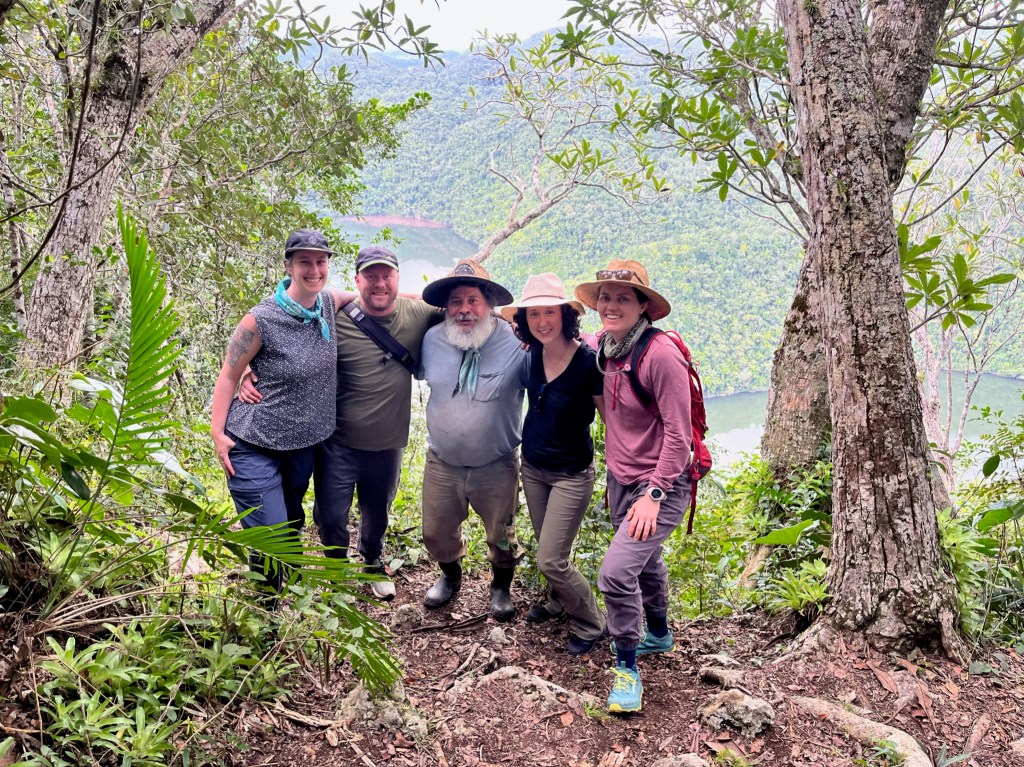
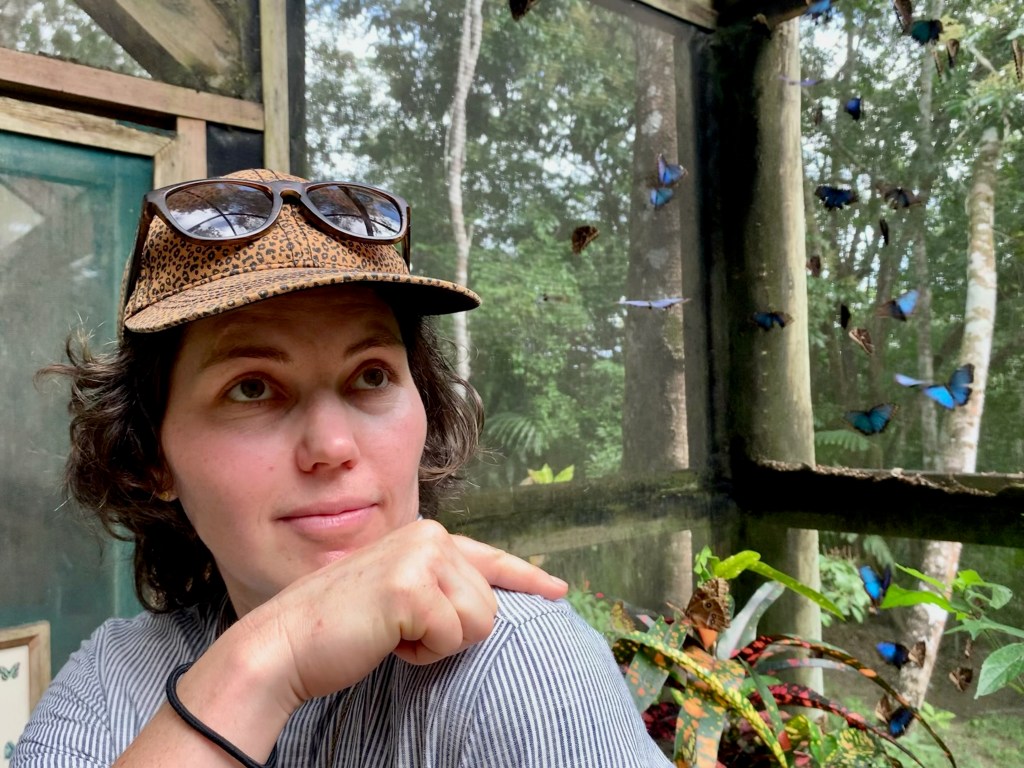
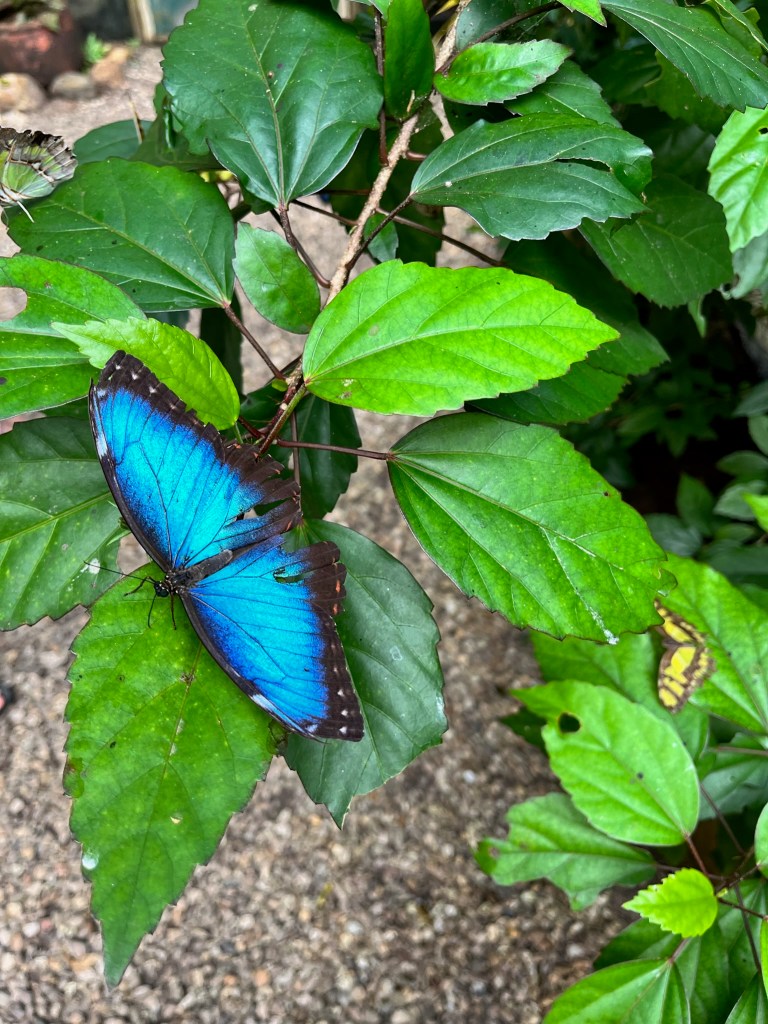
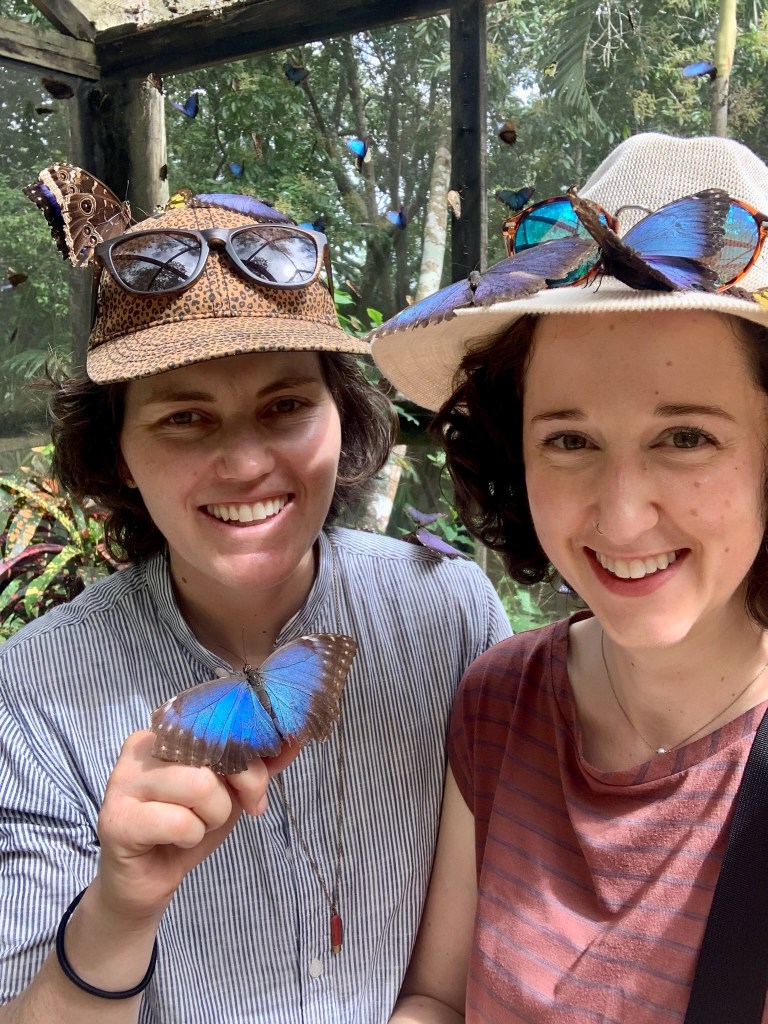
Our last full day in Belize we briefly explored Cahal Pech, the Maya ruins next door to our hotel. A landscaper told us stories of being involved in excavations over his 40 years working there, and pointed out structural features like the walkways that allowed space for headdresses and carvings on the seat of the king. We then made our way to a trail detailing native plants and their medicinal uses. We stopped by the Blue Morpho and Owl butterfly farm and spent many mesmerizing minutes in their presence. Finally, we took a dip in the Macal River. It all seemed too incredible to be real.
We spent our last night in Belize City, ahead of our flight out the next day. We said a heartfelt goodbye to Zoe and Skip, who were the best traveling companions and truly made our entire trip possible. We missed them immediately. We spent an uneventful night in Guatemala City as there are no direct flights from Belize to Oaxaca, and arrived in the afternoon on February 2 after many delays. So starts the next chapter in our adventure!

 Anicka and Shey travel while gay